Author
Motif Creatives
Publihsed On
Dec 17, 2025
Updated On
Dec 17, 2025
Category
Others
How Digital Marketing Drives Growth in eCommerce Businesses
Why do some online stores rise fast while others struggle to grow? The online world moves quick. Too quick sometimes. Stores appear overnight. Others vanish. And the question hangs in the air: why do some grow while others keep fighting the same old battle? Digital marketing. That’s the real shift. The real story. It builds the bridge between unknown brands and curious customers. It brings people closer to your store even when they never planned to visit. Digital marketing lets you stand in front of shoppers at the right moment, maybe when they’re searching, maybe when they’re scrolling. Or maybe when they’re unsure and need a push. Growth today is not luck. It’s a strategy mixed with timing. And a little magic from the digital space. So, let’s walk through how this world works. Step by step. Slowly, then fast.
1. Search Engine Optimization (SEO): Ranking Higher for More Traffic

SEO feels like a hidden door. You push it open, and suddenly, people can find you. Simple. But also, not simple. You need keywords, clean pages, fast loading, image tags, and links pointing back to you. It’s a slow climb but worth every step. When your store shows up on top of Google, traffic begins to flow in like quiet waves. No loud ads needed. Just trust is built through ranking. People believe in top results. They click more. They buy more. SEO becomes your silent partner. Working day and night. Bringing visitors who are already interested. Already searching. Already halfway through the decision. It’s long-term, yes. But digital growth builds on exactly that patience that pays.
2. Content Marketing: Educating, Engaging, and Guiding Buyers
People love stories. They love feeling understood. That’s why content marketing works. Blogs, guides, reels, videos, everything becomes a small doorway leading customer into your brand world. One article can turn confusion into clarity. One product video can change a maybe into a yes. Shoppers want help. Honest advice. They want to know if your product solves their problem or sits on a shelf. Good content answers all that without shouting. It builds comfort, trust, and familiarity. Search engines also appreciate it. They float useful content higher. So, you win twice. Your customers learn. You gain visibility. Content becomes the conversation that never ends.
3. Social Media Marketing: Reaching People Where They Spend Time

People scroll. Scroll again. And again. Hours vanish on social media without notice. This is where your brand should live, too. Social platforms turn stores into personalities. Into characters. You post updates, fun stories, behind-the-scenes clips, or just a simple reminder that you exist. And it works. Influencers show your products to their fans. Ads target people who look exactly like your ideal customers. A small reel can go viral overnight, and suddenly the whole internet knows your name. Social media feels casual, but the impact is serious. It builds communities around brands. Communities that talk. Share. Support. And buy.
4. Email Marketing: Turning Leads into Loyal Buyers
Email marketing isn’t old. It’s classic. It still works better than many modern tricks. A simple message can bring back a lost customer. A small discount can revive a forgotten cart. Email feels personal even when automated. It greets customers by name. Reminds them of what they liked. Shows new products they might love. It stays with them quietly. Sitting in their inbox and waiting for the right moment. It also builds loyalty. When customers hear from you often but not too often, they remember you. They return. They buy again. Email is like a gentle tap on the shoulder: “Hey, we’re still here.”
5. Paid Advertising (PPC): Fast Visibility and Targeted Reach
Sometimes growth needs speed. Paid ads give that. One ad can place your store in front of thousands within minutes. Google Ads catch people at the moment they’re searching. Social ads find them when they’re chilling online. And retargeting reminds them of what they almost bought. PPC feels sharp, quick, and measurable. You can track what works and cut what doesn’t. It’s not cheap, but it’s fast. And sometimes speed is what you need to break through the noise.
6. Conversion Rate Optimization (CRO): Turning Visitors into Customers

Lots of people visit. Few buys. That’s the usual problem. CRO tries to fix that. You tweak the layout. Change the button color. Remove clutter. Add reviews. Improve checkout. Test everything. A/B tests become your detective tools. You find what makes visitors click or pause. Even small changes can lift conversions. Maybe the page loads too slow. Perhaps the product images don’t feel convincing. Or maybe the checkout asks too many questions. CRO removes friction. Smooths the journey. Turns hesitation into action. Every improvement counts.
7. Personalization and AI: Creating Tailored Shopping Experiences
AI watches patterns, not in a creepy way, but in a smart, helpful way. It sees what customers search, what they avoid, and what they buy. Then it shows suggestions—tailored offers. Relevant products. It feels like the store understands them. Personalization makes shopping easier. Faster. More enjoyable. AI chatbots also answer questions instantly. Never tired. Never slow. Predictive analytics help businesses plan. Knowing trends before they fully show up. This smart layer of technology makes brands feel modern and thoughtful. Customers appreciate that. They stay longer. Buy more.
8. Influencer Marketing: Trust Through Real Voices
Influencers speak. Their audiences listen. Simple. And powerful. When an influencer shows your product, it feels real. Honest. Like a friend giving advice. That’s why influencer marketing keeps growing. Micro-influencers, especially, may have small followings, but those followers trust them deeply. A simple unboxing video can spark curiosity. A review can boost credibility. Influencers help brands reach corners of the internet they couldn’t reach alone. They bring authenticity, something ads can’t always deliver. And authenticity sells.
9. Customer Reviews and Social Proof: Building Trust and Confidence
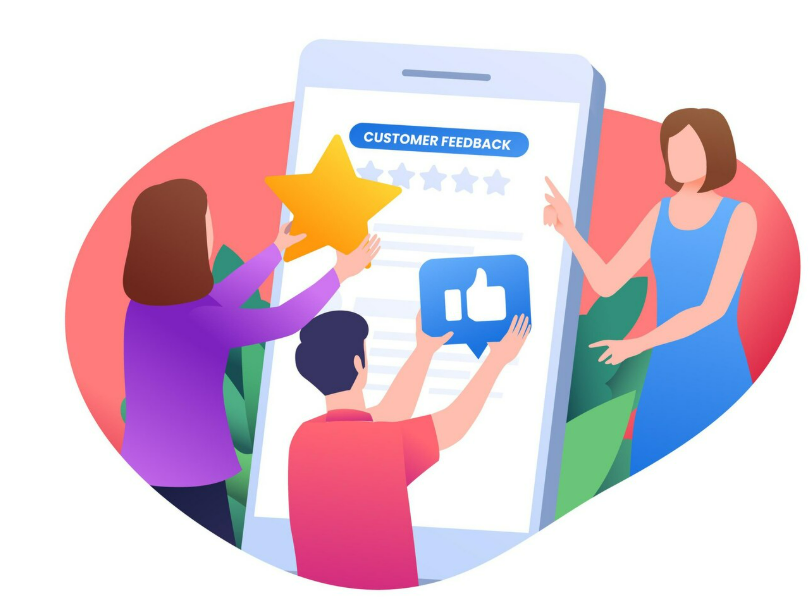
People trust people. Not brands. Not ads. Real people. Reviews matter because they show the truth: the good, the bad, the funny, and the honest. A store with strong reviews feels safe. Reliable. Customers check ratings before buying anything. They scroll through feedback. They look for photos. They want proof. Social proof becomes the invisible handshake between your store and new visitors.
10. Pricing Strategies and Flexibility: Encouraging More Conversions
Pricing changes everything. Some stores even use tools like WooCommerce Name Your Price to let customers decide their own amount in certain cases. It builds trust. Curiosity. Engagement. Pricing isn’t just numbers. It’s psychology. Customers feel good when they think they’re getting a fair deal. And when pricing feels right, conversions jump.
11. Mobile Marketing: Reaching Customers on the Go
Phones rule the world now. People shop while waiting in lines. While traveling. Sometimes, while half-asleep. Mobile marketing makes sure your store is ready for this pace. The site must load fast. Buttons must be easy to tap. Checkout must be simple. SMS alerts help announce sales. Push notifications keep customers aware. If the mobile experience is smooth, users stay. If it’s messy, they leave instantly. Mobile-first is no longer optional. It’s survival.
12. Analytics and Data: Making Smarter Decisions
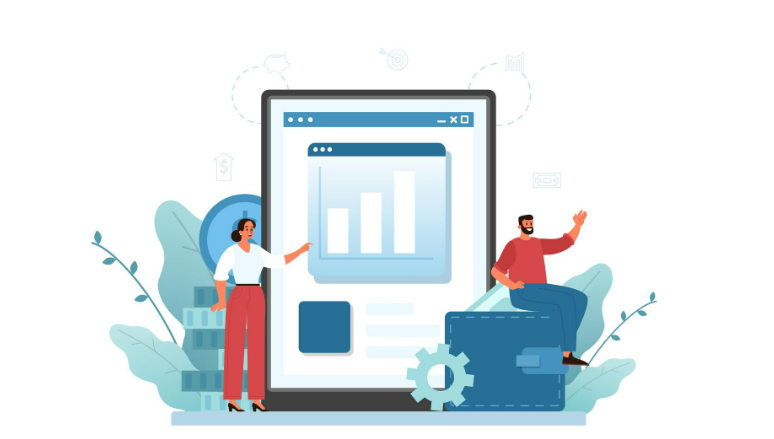
Numbers tell stories. Quiet ones but important ones. Analytics show how customers behave. Which pages attract them? Which ones push them away? You can see traffic sources, search terms, bounce rates, and more. With data, decisions become clearer. You stop guessing. You start adjusting. Fixing. Improving. Data helps you identify what brings revenue and what wastes money. It becomes the compass guiding every digital strategy. Without it, you’re walking blind.
13. Customer Support and Experience: Keeping Shoppers Happy
A good experience brings people back. A bad one sends them away forever. Customer support matters deeply in eCommerce. Live chat answers questions fast. A happy customer becomes a returning customer. And returning customers are pure gold for growth. Support is not just service. It’s marketing in disguise.
Conclusion
Digital marketing pushes eCommerce forward. It builds visibility, trust, and smooth customer journeys. SEO brings steady traffic. Content educates. Social media engages. Email nurtures. Ads accelerate. CRO improves conversions. Personalization delights. Reviews reassure. Mobile connects. Data guides. Support remains. Everything works together like gears in a machine. No single strategy wins alone. Growth comes from the mix, the rhythm, the constant effort. Digital marketing turns small stores into strong brands. It prepares them for competition. For change. For the future. And those who use it well? They don’t just grow. They rise
SUBMIT GUEST POST 🚀
Ready to contribute? Head to the article dashboard to publish your own insightful articles and share them with our audience!
Go to dashboardRECENT POSTS
How Digital Marketing Drives Growth in eCommerce Businesses
9 months ago

Building a Secure Authentication System with PHP OOP, PDO, MySQL, and Bootstrap 5
9 months ago

10 Essential Web Design Principles for Creating a User-Friendly Website
9 months ago
Send Mail with Contact Form Using PHPMailer & Gmail SMTP | 2023
9 months ago

Full Stack Laravel 10 & React JS | SPA Authentication | Part 2
9 months ago